Diagnostic evaluations can provide life-changing information and open doors. ACP’s team of Licensed Clinical Psychologists provides evaluations for Autism Spectrum Disorder for children ages 18-60 months in MA and VT and a variety of clinical presentations for ages 18 months to 21 years in NH and RI. Referral not required!
Let ACP Guide You
If your child meets criteria for Autism Spectrum Disorder, they may be eligible for services at one of our centers. If eligible, our team will support you in the transition to therapy services. Download our easy guide to the process below!
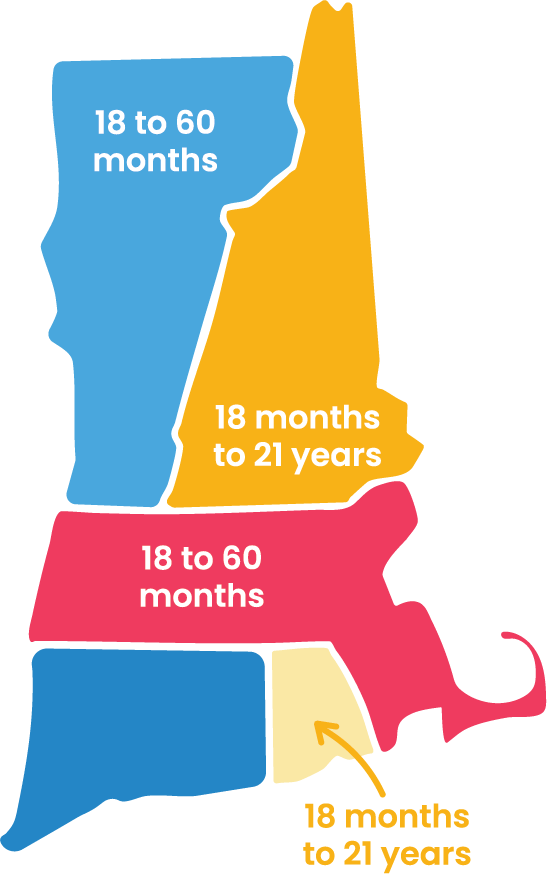
Is ACP Right for You?
Enter your details to explore diagnostic services in your area
*Please Note: You do not have to initiate services at the location you receive an evaluation at. Once an evaluation is acquired, families can choose which of our center locations are right for them. Contact us if your child is older than your local team serves to see if a one-time visit at our NH or RI locations make sense for your needs and insurance provider. For more information or to schedule an initial visit, please call 800-679-3609 or complete this form!
Autism Care Partners accepts most insurance providers





ACP accepts most commercial and Medicaid insurance providers in the Northeast states we work in. All 50 US states mandate insurance coverage for Autism Spectrum Disorder (ASD) diagnosis and treatment, including Applied Behavior Analysis (ABA) therapy, though the specific coverage details and restrictions vary by state. Our passionate team is ready to discuss the intake and insurance verification process with you. Give us a call at 800-679-3609 or complete this form to inquire about services available near you!
Meet Dr. Costa!
Dr. Costa leads our Psychology team with an emphasis on passion and clinical excellence. Listen to Dr. Costa detail the three steps of our assessment process. Referrals are not required to begin your diagnostic journey with ACP. Still have questions? Contact us today!
Let ACP Answer Your Questions
When should I seek an evaluation?
Autism Spectrum Disorder can be reliably diagnosed at 18 months of age. Research consistently shows that the earlier a child is able to receive intervention, the better their outcomes are. A diagnosis is often required for insurance to cover therapy services. Evaluations for other clinical presentations (available at our Rhode Island Psychological Assessment Center and at our Bedford, New Hampshire Center) can help individuals identify their strengths and challenges and determine helpful next steps.
What does the Diagnostic Evaluation process look like?
The evaluation process includes three steps:
- Intake appointment: The Psychologist meets with parents or the individual (usually via telehealth) to discuss concerns and background history.
- In-person testing: Young children participate in play-based assessments, while older children and adults complete structured psychological testing to evaluate areas such as social skills, thinking abilities, memory, and attention. Questionnaires may also be completed by parents and teachers.
- Feedback session: The Psychologist reviews results, provides recommendations, and answers any questions.
How do I prepare for my child’s assessment?
The ACP team will guide you through completing intake paperwork, including general information, insurance details, and consent forms. This process may take some time as we work with your insurance provider to confirm coverage and schedule appointments. Continue regular medications unless instructed otherwise. On the day of the assessment, bring snacks, a drink, and anything that helps you or your child feel comfortable.
What happens if my child is diagnosed with Autism Spectrum Disorder?
A diagnosis often answers questions that many caregivers have sought answers to, which can feel relieving. However, an individual’s reaction to an Autism diagnosis is individualized. If your child has a diagnosis and therapy can help provide them with a more stable foundation for future success, your Psychologist and our Family Partner can discuss those options with you. Many families choose to continue care with ACP. A diagnosis can also allow other professionals to know what resources they need, such as their doctors, teachers, coaches, employers, etc.
What are common symptoms of Autism Spectrum Disorder?
Social communication and interaction differences like a language delay, difficulty with conversation, difficulty making eye contact, and difficulty recognizing social cues.
Repetitive behaviors and restricted interests, like repetitive body movements (hand flapping, spinning), need for routines, specific interests, sensory differences.
What are the three levels of Autism?
When navigating the Autism diagnostic process, your insurance provider might ask you what level of Autism your child has been assessed at. What does this mean?
According to the DSM-5, there are three levels Autism that indicate the potential amount of support your child might need. Level one would be minimal support, like challenges with transitions or making friends. Level two indicates more social challenges even when support is in place and your child might need more substantial help to be comfortable in a setting like school. Finally, level three sees significant social and behavioral challenges that more substantially impact many areas of daily living.
It’s important to remember that despite the level your diagnosis might indicate, every child is unique and their future is not yet to be determined. By receiving early intervention therapies, like Applied Behavior Analysis (ABA), many children live much more comfortably and confidently no matter the level their diagnosis indicates.
Connecting with a professional is essential to obtaining an accurate diagnosis. Connect with ACP’s compassionate Diagnostic team today to learn more.
Still have questions? Our caring team is here to help.
Reach out today to help us guide you through your options.
Meet our Diagnostic Evaluation Team!
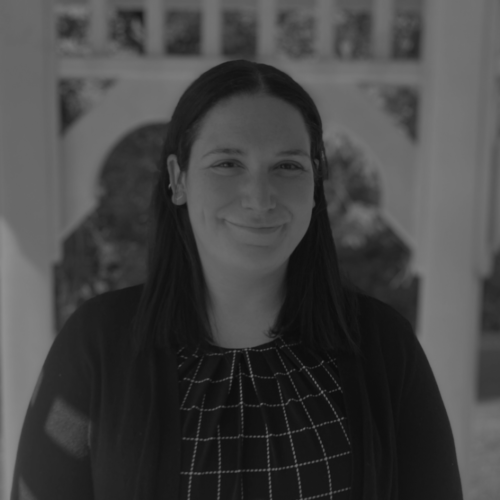
Dr. Costa joined Autism Care Partners as a post-doctoral trainee in 2019 specializing in assessment of Autism Spectrum Disorders and ADHD. Upon completing her post-doctoral training, Dr. Costa joined Autism Care Partners as a full-time Clinical Psychologist and currently serves as the Director of Psychology. Dr. Costa developed an early passion for supervision and training and serves as the training coordinator for pre-doctoral interns and post-doctoral fellows. Dr. Costa earned her Psy.D. in Clinical Psychology with a focus on children and families and global mental health in 2019 from William James College.
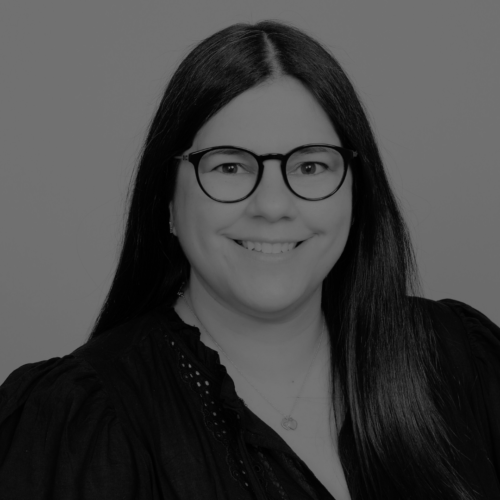
Ariadna Y. Aldarondo Hernández, PhD is a Clinical Psychologist who conducts comprehensive Diagnostic Evaluations for children, adolescents, and young adults and brings both experience and genuine care to every evaluation. Born and raised in Puerto Rico, Dr. Aldarondo Hernández provides services in both English and Spanish. She believes that understanding a child's unique profile—their strengths, their challenges, and how they experience the world—is an important step in connecting families with the support that can make a real difference. Her approach to evaluation is thorough, thoughtful, and grounded in the belief that early diagnosis and early intervention greatly benefit children's development. Dr. Aldarondo Hernández conducts evaluations at our offices in Bedford, NH, Concord, NH, and Westford, MA.
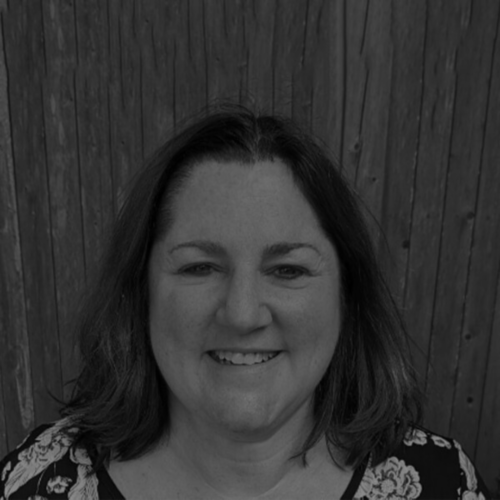
Dr. Borgos is a Licensed Clinical Neuropsychologist in RI and MA. She also has an M.A. and CAGS in School Psychology. Dr. Borgos has diverse experiences working in inpatient and outpatient hospitals, schools, and private practice. She joined Autism Care Partners in 2020, where she evaluates children and adults with developmental, psychiatric, and neuropsychological concerns. She also enjoys working with and supervising graduate students and postdoctoral fellows at ACP.

Dr. Dumas is a Licensed Clinical Psychologist in both Rhode Island and in Massachusetts. Dr. Dumas has a 20 plus year professional career that has included academia, professional practice, executive management and public service. More specifically, Dr. Dumas has been on faculty at two medical schools, Emory University and Brown University. He has been President and CEO of three community-based organizations in both Massachusetts and Rhode Island serving individuals of all ages with a wide range of behavioral health needs that include Autism, served as an administrator for the Department of Developmental Services (DDS) in Massachusetts, and has led a large department of Behavioral Health within a large community-based healthcare system. Clinically, Dr. Dumas has extensive knowledge and experience in the areas of ADHD and Autism as he previously held two NIH postdoctoral fellowships in both areas at UMass Medical School and Brown’s Medical School.

Dr. Lopes is a Licensed Clinical Psychologist in Massachusetts who joined Autism Care Partners in 2023. She completed her doctoral degree in clinical psychology in 2022 through William James College in Newton, MA with additional specialty training in assessing and treating children and families. From early on in her career, Dr. Lopes has been committed to helping those most affected by trauma and the social and financial determinants of physical and mental health. Believing that good mental health care is about both the individual care to patients and the need for social advocacy, she has visited the State House in support of suicide prevention, conducted research on the potential protective role of self-compassion, and facilitated online forums for parents seeking ways to improve their emotional and disciplinary responses to difficult child behavior. Dr. Lopes also enjoys learning and growing as a parent of her own four children, especially when it involves visiting the beach and getting outdoors to explore the natural world.

Dr. Miles has worked with children of all ages and abilities for 23 years and has been supporting children at ACP since 2023. She began her career in the Holyoke Public Schools in 2001 where she held a variety of positions, including School Psychologist, Lead School Psychologist, and Assistant Director of Special Education. Dr. Miles holds advanced degrees in Clinical Psychology and Educational Psychology, and currently works full-time as a School Psychologist in CT. She resides in Agawam, MA with her husband, two children, and many pets!

Dr. Sweet is a Licensed Clinical Psychologist in Vermont and a nationally certified School Psychologist. In 2021, she earned her Psy.D. in School Psychology from The State University of New York at Albany with a focus in children and families, psychological assessment, and learning. Dr. Sweet joined Autism Care Partners in the spring of 2024, where she specializes in the assessment of Autism Spectrum Disorder.

Dr. White is a Licensed Clinical Psychologist in Rhode Island and Massachusetts. She joined Autism Care Partners in 2023. Dr. White graduated from William James College in 2019 and has a strong clinical background in the areas of multicultural and global mental health and treatment of trauma in children and families. Dr. White enjoys working with children and conducting psychological assessments to better support children in their ability to grow and thrive across settings.
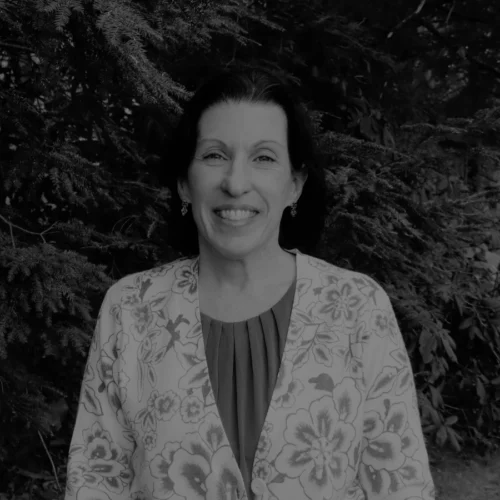
As the mother of an individual with Autism and a long-term member of our team, Julie Camfield brings both professional expertise and lived experience to her role. After Diagnostic Evaluations, she meets with families to identify the next steps that best support their child’s needs. Serving as our Family Partner, Julie is here to provide guidance, support, and reassurance every step of the way.

Olga is the Senior Family Liaison for the Psychological Assessment Center. She joined Autism Care Partners in 2016. Olga is fluent in Spanish, Portuguese, and Portuguese Creole. Olga has a certificate in medical billing, coding, and administration.
ACP’s No Wrong Door Approach
If your child meets criteria for Autism Spectrum Disorder, they may be eligible for services at one of our centers. If eligible, our team will support you in the transition to therapy services. ACP offers Applied Behavior Analysis (ABA), Speech Therapy, Occupational Therapy, Feeding Therapy, and language acquisition system, the Visual Immersion System (VIS), though services vary by location. You can find your nearest center on our locations page and explore the details of each therapeutic approach below!








Autism Care Partners has centers across New England and New York
Find the nearest Autism Care Partners center by entering your zip code!