March is the start of Developmental Disabilities Awareness Month, a vital celebration and time for all advocates to get loud to bring awareness to the experience of individuals with developmental disabilities.
At ACP, we have the privilege of working alongside hundreds of little learners with an Autism diagnosis and their families. It’s deeply inspiring to be reminded just how bright the future is because these children will grow up and shape our society as adults. They’re passionate, capable, interesting, and bright.
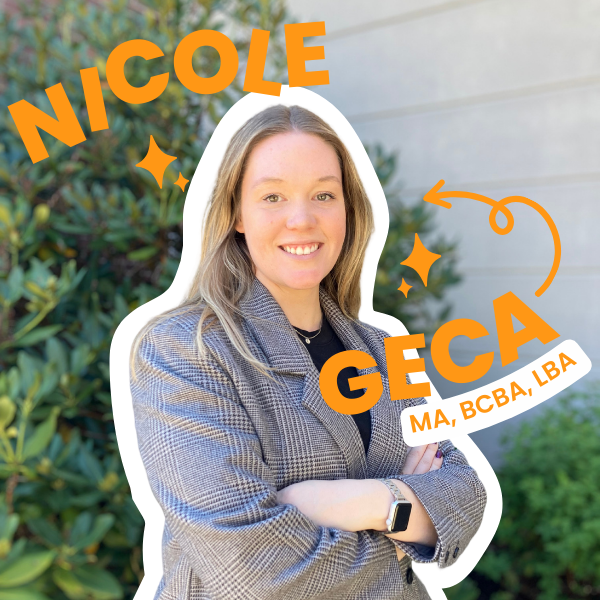
To better understand Developmental Disabilities Awareness Month, social stigma, and the impact of receiving therapy like Applied Behavior Analysis (ABA), Speech Therapy, Occupational Therapy, and more, we spoke with ACP’s newest AVP of Service Delivery, Nicole Geca. We know you’ll find our conversation insightful and motivating to continue uplifting the community we serve.
Tell us what does Developmental Disabilities Awareness Month mean to you?
I think it’s so important. I think that there’s not enough light shed on that community. I think a lot of people are just unaware, uneducated about it, which is not anyone’s fault, but I think it’s a nice opportunity to educate people and hopefully get some people who want to advocate for that community and that want to have more empathy and understanding. I think that’s probably the most important part of being able to shed some light on it.
Sometimes social stigma can make caregivers afraid to seek a diagnosis in the first place, like Have I done something wrong?
I think becoming a parent, too, has definitely shaped my perspective even more so of like, You’re not doing anything wrong. You can do everything exactly the way they tell you. One of the things I’m really grateful about for ACP is that we don’t only focus on our clients, but how we can support our families of our clients, as well. I never heard of ABA before I worked in the ABA field, right?
How does ACP support individuals that have developmental disabilities?
We do so much, from Diagnostics to ABA to Speech and OT. I think our interdisciplinary services are the key to how we’re supporting this society and this community because one really plays into the other and individually they all work really well together. Individually they work well, but together I’ve seen such progress. I was here when we didn’t offer Speech and OT, too. So, seeing how that can wrap around a client and really give that full care is so important. It draws more attention to the different pieces of what people with developmental disabilities can struggle with. That’s one of the ways ACP stands apart from other companies and services.
I think that the ABA field in general is shifting away from what we used to kind of consider like that, Come to the table and do work. I think ACP has kind of been ahead of the game on that for a while where we’re very, very client-centered and focused.
A lot of our learning is through play rather than table-based work. A lot of assent from clients … ACP particularly has really gone to that place of what does the child need and really letting the child lead their care. I think we see better progress that way.
Could you give us a brief definition or understanding of what assent means?
Assent is basically just allowing whoever to make the choice for themselves. Are they on board with what’s going to happen next? Do you want to read a book or do you want to play with the blocks? It’s just giving them choices and allowing them to choose for themselves.
How have you seen the work really transform someone’s life?
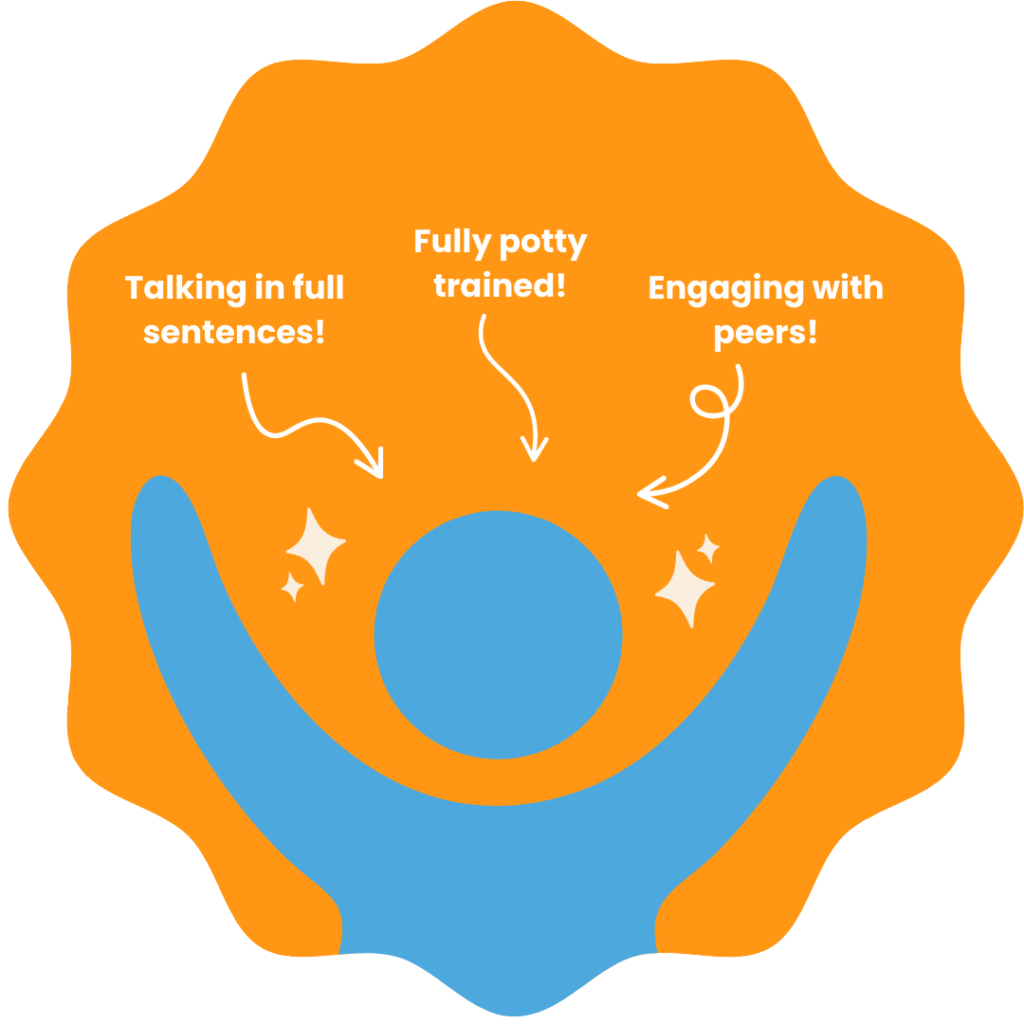
I have one client who really stood out to me. He started with us when he was pretty young, like probably three or four. He was with us for several years. He didn’t have any communication when he started with us. He would shake his head no. That was the extent of it. Lots of issues with potty training, communication, food was a barrier … Just lots of different things like that. He had several years with us with Speech, OT, and ABA. And by the time he left us, he was talking in full sentences. He was potty trained. He was able to engage with peers.
Think of what an impact that was on not just him, but Mom, too. I remember her saying when he was like 8, I can’t believe he’s finally potty trained. Like my whole life is different now. He’s probably one of the kids that really stands out to me of just all three disciplines really, really, really changed him.
Thank you, Nicole, for such a great conversation, and thank you for your continued advocacy for the acceptance of individuals with developmental disabilities. Thank you, Caregivers, for trusting your little ones to our care. Thank you, Team ACP, for your dedication to continue pushing our mission forward. And thank you, Little Learner, for reminding us how incredible life can be when you approach each day with so much tenacity. Happy Developmental Disabilities Awareness Month to all!